
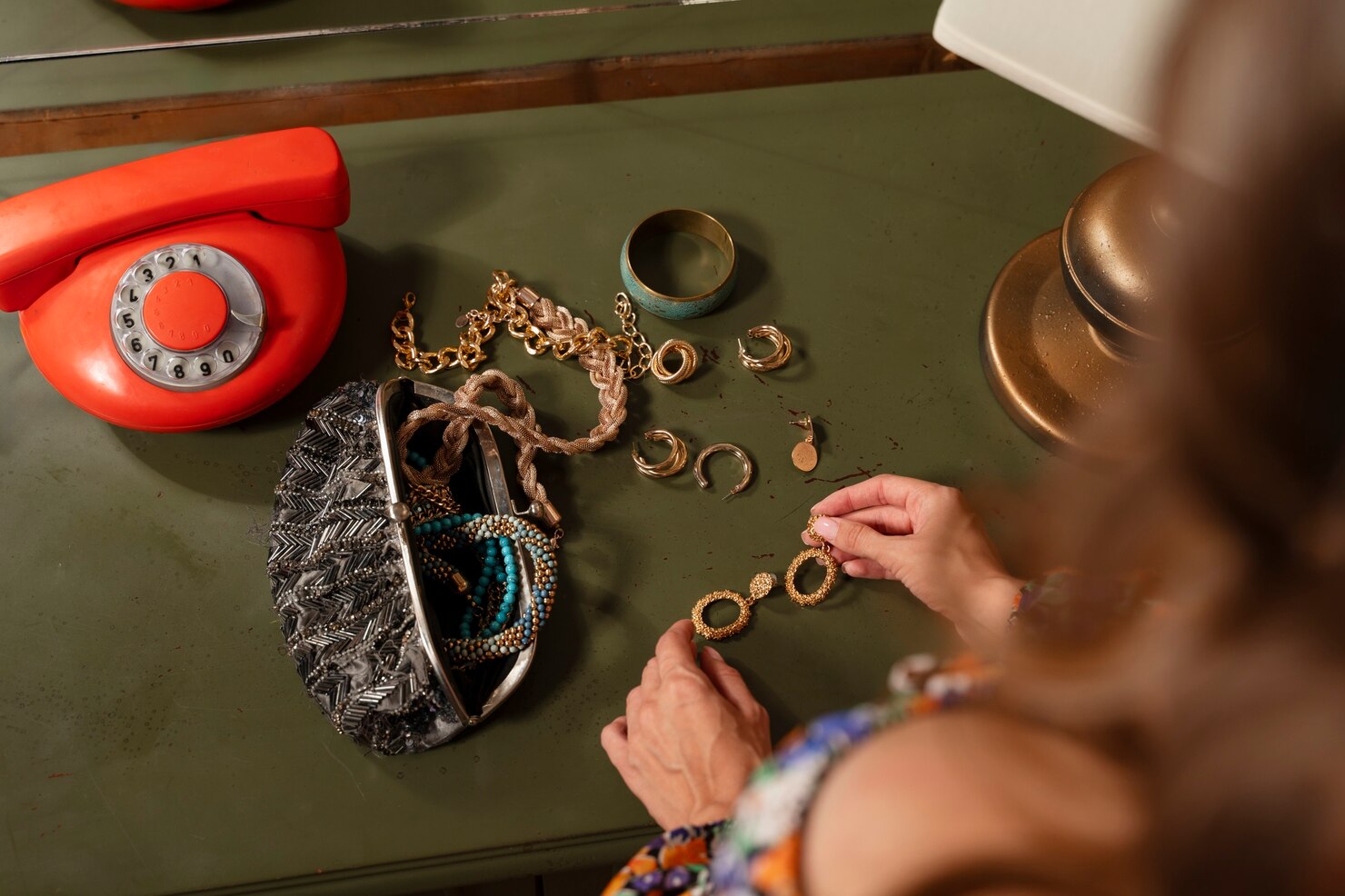
From broken chains to loose stones, learn what can be repaired and when to visit a jeweler.
Many gold jewelry problems can be repaired. A jeweler may reconnect a broken chain, replace a worn clasp, resize a ring, or secure a loose gemstone. The right approach depends on the damage and the condition of the whole piece.
A small problem can also reveal wear elsewhere. That is why professional gold jewelry repair starts with an inspection. Understanding the options helps you decide how to care for a favorite necklace, wedding band, or family heirloom.
Daily friction, sudden pulls, and accidental impacts can damage gold jewelry. Chain links rub together. Clasps open and close. Ring bands wear against nearby surfaces.
Construction matters, too. Thin links and hollow pieces have less metal in vulnerable areas. Previous repairs may also affect the next repair.
Gold purity is another factor. The markings 10K, 14K, and 18K describe gold content. They do not tell the whole story about strength. Thickness, alloy composition, and design also matter.
Solid gold, hollow gold, and gold-plated jewelry need different care. A jeweler checks these details before recommending work.
Professionals match the repair to the cause of the damage. They also check nearby parts so a visible break does not hide another weak point.
A broken gold chain may need a repaired connection, new links, or a replacement section. The jeweler first checks whether surrounding links can support the repair.
Soldering or laser welding may suit some pieces. The choice depends on chain construction and repair access.
Rope chains, kinked herringbone chains, and hollow links can present extra challenges. If a necklace breaks in several places, repairing each break may leave other worn sections vulnerable.
A faulty clasp may need adjustment or replacement. The jeweler checks the closure and the small connecting rings that attach it to the jewelry.
Lobster clasps and spring-ring clasps contain moving parts that can wear out. Replacing the clasp will not solve the problem if its connecting loop is also thin or damaged.
Stop wearing a necklace or bracelet that opens unexpectedly.
A bent gold ring may be reshaped if the metal and setting allow it. A cracked band may need a repaired joint or replacement metal.
The lower part of a ring band is called the shank. When it becomes very thin, replacing that section may offer a better solution than closing a crack.
Ring resizing can improve a tight or loose fit. However, gemstone placement, patterns, and construction can limit how much a ring can change.
A loose diamond or gemstone needs prompt inspection. Stop wearing the piece until a jeweler checks it.
Prongs are the small metal tips that hold many stones in place. Depending on their condition, a jeweler may tighten, retip, or replace them. Worn settings need attention because they can increase the risk of losing a gemstone.
If a stone is missing, the setting should be checked before fitting a replacement.
Dull jewelry may need cleaning, while surface scratches may call for careful polishing. These treatments serve different purposes.
Cleaning removes buildup. Polishing smooths surface wear by removing a small amount of material. Deep scratches may remain, especially when further polishing would affect the piece’s shape.
White gold often has rhodium plating. When that coating wears, a warmer color may show underneath. Replating may restore the finish after inspection.
A bent earring post may need straightening or replacement. A loose back may simply need a correctly fitted replacement.
The jeweler also checks the joint between the post and the earring. Repeated bending can weaken this connection. Avoid forcing it back into place with household tools.
Hollow gold jewelry can sometimes be repaired, but dents are not always removable. Thin walls and limited access can make restoration difficult.
A jeweler assesses whether reshaping or replacing a damaged section is practical. A crushed hoop or hollow chain may retain visible damage after repair. Ask what result is realistic before approving the work.
Stop wearing the piece and keep its parts together. Continued wear can worsen damage or lead to lost components.
The process starts with an assessment and a clear explanation of your options.
Gold Refinery follows an inspection, explanation, approval, repair, and pickup process at its Framingham store.
Repair costs depend on labor, materials, and complexity. A simple clasp replacement differs from rebuilding a worn gemstone setting.
Other factors include:
An inspection provides a more useful estimate than a description alone. Mention any deadline before approving repairs.
Repair makes sense when the expected result meets your needs and budget. Sentimental value also matters, especially for inherited jewelry.
Repeated breaks may suggest wider wear. Compare the repair estimate with replacement options and expected durability.
If you no longer want the piece, explore Gold Refinery’s cash for gold service. A buying offer differs from the cost of replacing your jewelry.
Reduce strain and check your jewelry for changes.
Gold Refinery offers inspections and repair guidance for damaged jewelry. Services include ring resizing, chain repair, clasp replacement, stone tightening, and earring repair. The store welcomes customers from Framingham and nearby communities.
Explore our jewelry repair services in Framingham or contact Gold Refinery to discuss your piece and arrange a visit.

